
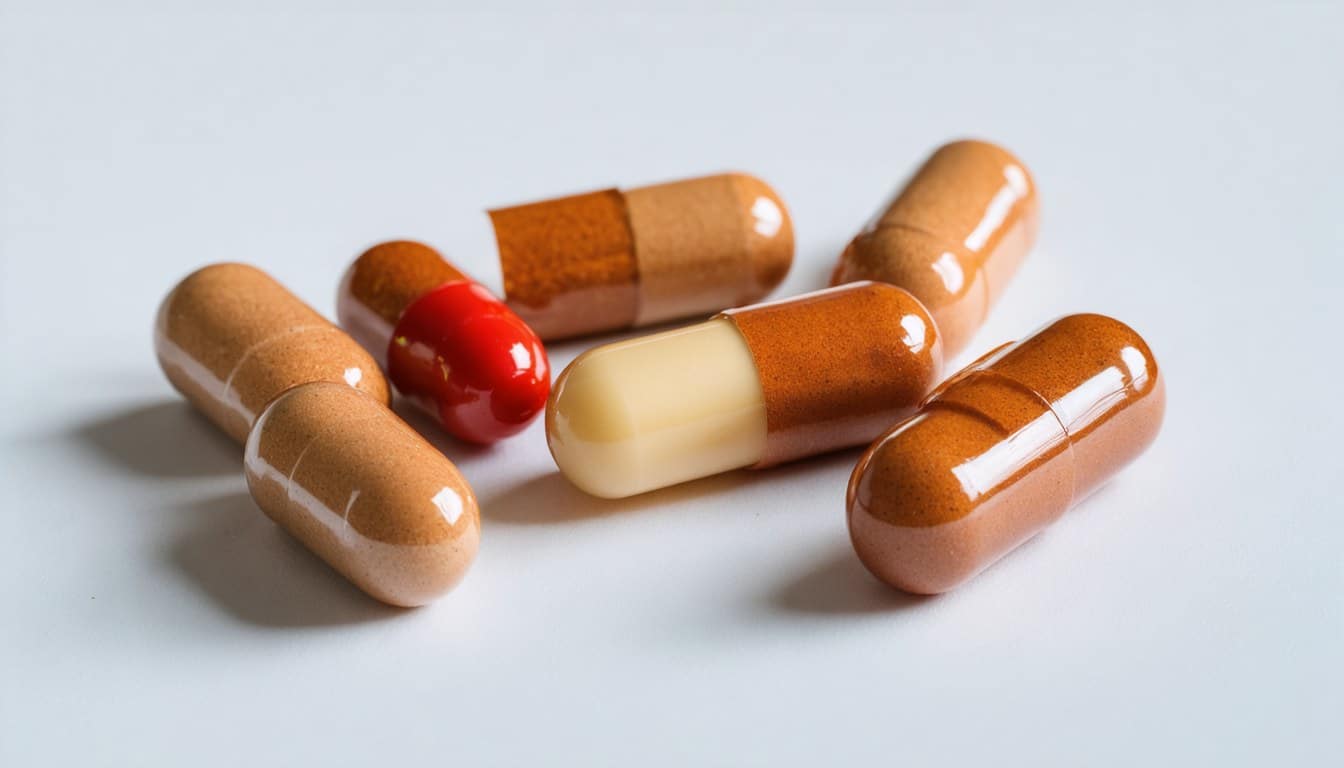
„Men’s sexual health supplements“ — answers to the main questions
Disclaimer: This article is for informational purposes only and does not replace professional medical advice, diagnosis, or treatment. Always consult a qualified healthcare provider regarding concerns about sexual function or before starting any supplement.
Frequently asked questions (FAQ block at the beginning)
What are men’s sexual health supplements?
Men’s sexual health supplements are over-the-counter products marketed to support libido, erectile function, stamina, testosterone levels, or fertility. They often contain herbal extracts, amino acids, vitamins, or minerals. Unlike prescription medications, they are not intended to diagnose or treat medical conditions.
Why do sexual performance problems happen?
Sexual difficulties can result from physical factors (cardiovascular disease, diabetes, hormonal imbalance), psychological causes (stress, anxiety, depression), or lifestyle habits (smoking, alcohol, lack of sleep). Relationship issues and certain medications may also play a role.
How can I recognize that I might need medical advice rather than supplements?
Persistent erectile dysfunction, loss of libido, pain, or sudden changes in sexual performance may signal an underlying condition. If symptoms last more than a few weeks or worsen, medical evaluation is recommended.
Are sexual health supplements safe?
Safety varies. Some ingredients have limited clinical evidence, and product quality can differ between brands. In rare cases, supplements may interact with medications or contain undeclared pharmaceutical substances.
Do testosterone boosters really work?
In men with clinically low testosterone, prescription hormone therapy may be effective under medical supervision. Over-the-counter “testosterone boosters” have inconsistent evidence and may not significantly raise hormone levels in healthy men.
Can supplements improve erectile dysfunction?
Certain ingredients like L-arginine or ginseng have been studied, but results are mixed. Prescription medications remain the standard treatment for erectile dysfunction. Supplements should not replace medical evaluation, especially if ED is new or severe.
Are natural products better than prescription drugs?
“Natural” does not automatically mean safer or more effective. Prescription treatments undergo rigorous clinical testing. Supplements are regulated differently and may lack large-scale trials.
When should I see a doctor for sexual health concerns?
You should seek medical advice if erectile problems are persistent, painful, or associated with chest pain, fatigue, or hormonal symptoms. Sudden dysfunction can be an early sign of cardiovascular disease.
Can lifestyle changes improve sexual performance without supplements?
Yes. Regular exercise, balanced nutrition, weight management, stress reduction, and quitting smoking significantly support sexual health. These measures often provide broader health benefits than supplements alone.
Are there risks of buying supplements online?
Yes. Some online products may contain hidden prescription drugs or unsafe ingredients. Always purchase from reputable sources and verify regulatory approval where applicable.
Can supplements help with male fertility?
Certain nutrients like zinc, selenium, and folate are linked to sperm health. However, fertility issues often require medical assessment to identify hormonal, genetic, or structural causes.
Is it possible to prevent sexual health problems?
While not all issues are preventable, managing chronic diseases, maintaining cardiovascular health, and addressing stress early can reduce risk. Preventive care is key.
Detailed breakdown
1. Understanding the causes of male sexual dysfunction
Sexual function depends on vascular, neurological, hormonal, and psychological systems. Erectile dysfunction (ED), low libido, and premature ejaculation can stem from overlapping causes. Cardiovascular disease is particularly important because penile blood vessels are sensitive to circulation changes.
For more general health background, see our Allgemein section, where we discuss lifestyle-related risk factors.
2. Common ingredients in men’s sexual health supplements
Frequently used ingredients include:
- L-arginine: An amino acid involved in nitric oxide production.
- Panax ginseng: Studied for potential support of erectile function.
- Maca root: Traditionally used to support libido.
- Zinc: Important for testosterone production in deficient individuals.
- Tribulus terrestris: Marketed for testosterone support, with limited evidence.
Evidence ranges from small clinical trials to inconclusive data. Supplements may provide mild benefit in select cases but are not substitutes for clinically approved therapies.
3. Risks, interactions, and quality concerns
Dietary supplements are regulated differently from prescription medications in many countries. Independent testing has revealed cases of contamination or undeclared active drugs in sexual enhancement products.
Men taking nitrates for heart disease, blood pressure medication, or antidepressants should be especially cautious. Mixing certain substances can cause dangerous drops in blood pressure or other side effects.
Read more about responsible consumer decisions in our consumer awareness articles.
4. Psychological factors and performance anxiety
Stress, relationship tension, and performance anxiety significantly influence sexual function. In some cases, focusing heavily on supplements may increase anxiety rather than resolve the issue. Counseling or therapy can be highly effective for psychogenic erectile dysfunction.
5. Evidence-based medical treatments
Prescription phosphodiesterase-5 (PDE5) inhibitors are widely used for erectile dysfunction and have strong clinical support. Hormonal therapy may be indicated in confirmed hypogonadism. A healthcare professional can tailor treatment based on individual history and laboratory findings.
Checklist: what you can do today
- Schedule a routine health check-up, especially if over 40.
- Monitor blood pressure, cholesterol, and blood sugar levels.
- Engage in regular aerobic and strength exercise.
- Adopt a balanced diet rich in vegetables, whole grains, and lean protein.
- Reduce alcohol intake and avoid smoking.
- Prioritize sleep (7–9 hours per night).
- Manage stress through mindfulness or relaxation techniques.
- Discuss sexual concerns openly with your partner.
- Research supplement brands carefully before purchase.
- Consult a healthcare professional before combining supplements with medication.
Symptom/situation → urgency level → where to seek help
| Symptom / Situation | Urgency Level | Where to Seek Help |
|---|---|---|
| Sudden erectile dysfunction with chest pain | Emergency | Emergency department |
| Persistent ED lasting more than 4–6 weeks | Moderate | Primary care physician or urologist |
| Gradual decrease in libido | Routine | Family doctor for hormonal evaluation |
| Side effects after taking a supplement | Variable (can be urgent) | Doctor or poison control center |
| Fertility concerns after 12 months of trying | Moderate | Urologist or fertility specialist |
If you are exploring health-related products in online environments, be cautious about marketing claims — particularly in non-medical spaces such as casino-themed platforms, where advertisements may not follow medical advertising standards.
Sources
- World Health Organization (WHO) — Sexual and reproductive health resources
- U.S. Food and Drug Administration (FDA) — Dietary Supplements
- National Institutes of Health (NIH), Office of Dietary Supplements
- European Association of Urology (EAU) Guidelines on Sexual and Reproductive Health
- American Urological Association (AUA) Guidelines on Erectile Dysfunction
- Mayo Clinic — Erectile Dysfunction and Men’s Health Resources